WSOP PLO Championship: One Past Champ Survives the Bubble
When the money bubble is about to burst, the rail gets loud — and this year's WSOP PLO Championship is no different, with former champions dropping left and right before the cash.
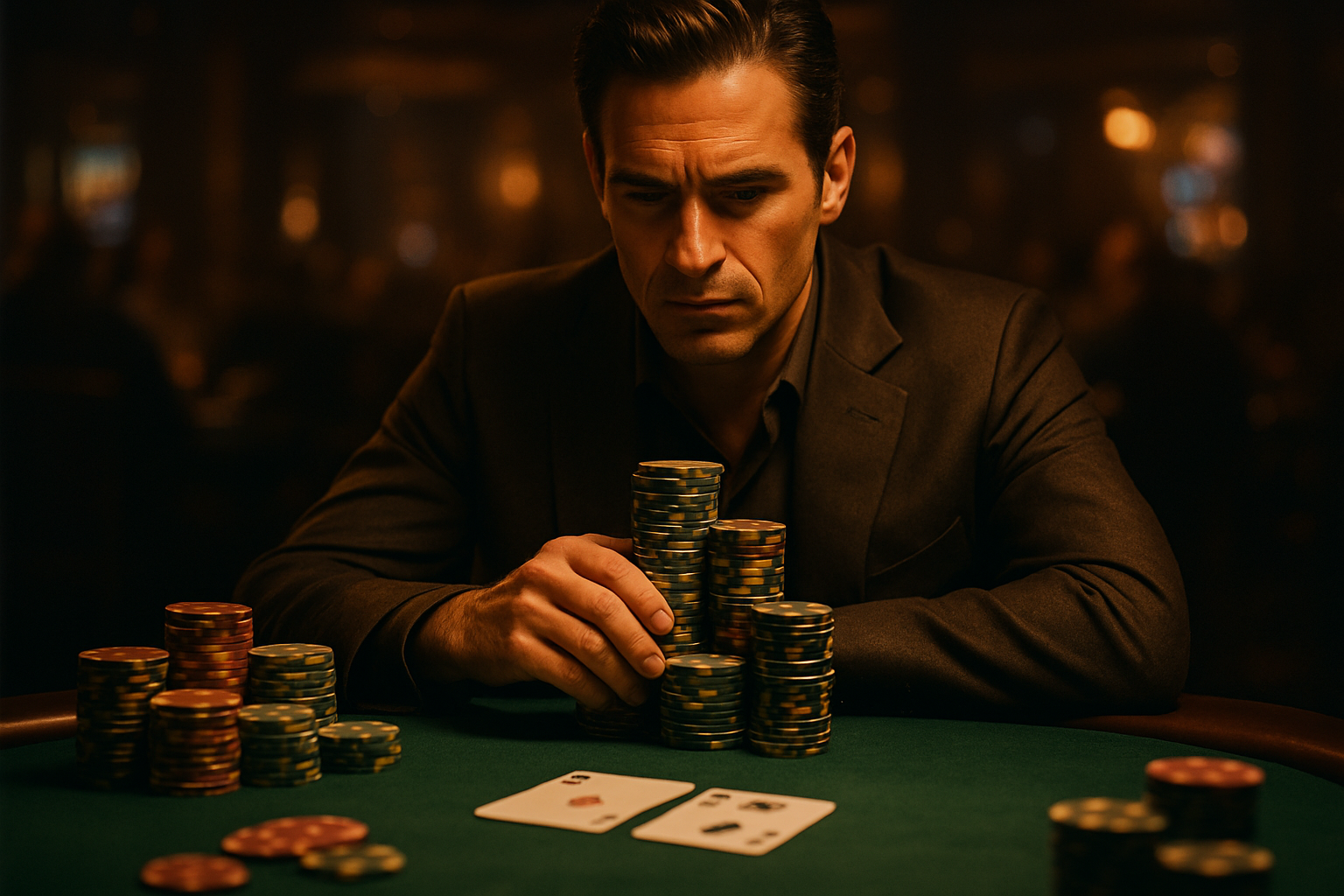
The Bubble Pressure Is Real — Even for Champions
There's a certain brutal honesty to poker's money bubble. It doesn't care about your résumé, your bracelet count, or the fact that you've won this very tournament before. When the chips are down and the blinds are eating you alive, past glory means nothing. That's exactly the story unfolding at this year's WSOP PLO Championship, where a field stacked with experienced Pot-Limit Omaha talent has been whittled down to the point where former champions are an endangered species.
As the bubble approaches, only one past winner of the WSOP PLO Championship remains with a viable stack. The rest of the former champs — players who know better than almost anyone what it takes to navigate this specific tournament — have already hit the rail or are sitting on fumes. It's a stark reminder of just how brutal high-level PLO can be, even for the best in the world.
Why PLO Eats Its Heroes
Pot-Limit Omaha has a reputation for being a game of massive swings, and tournaments amplify that variance to an almost theatrical degree. Unlike No-Limit Hold'em, where a player can occasionally survive on a short stack by waiting for the perfect spot, PLO tends to force action. With four hole cards in hand, equities run much closer together, and the difference between a chip leader and a bust-out can be a single hand where everyone has a legitimate piece of the board.
The PLO Championship at the WSOP attracts a specialized crowd — players who dedicate serious study time to a game that rewards deep combinatorial thinking. And yet, even among this elite pool, past champions have been unable to sustain themselves deep into the field. That tells you something important about the format: winning once is an enormous achievement, but returning to the final table requires navigating a gauntlet that never gets easier.
The lone surviving past champion now carries the weight of representing the tournament's history as everyone else bubbles or busts. That's a compelling storyline whether you're watching from the rail in the Amazon Room or following the updates from back home.
Reading the Field Before the Money
Here's what makes the bubble phase of any WSOP event so fascinating from a strategic perspective:
- Short stacks take extreme risks to avoid finishing just out of the money after potentially days of play.
- Big stacks apply maximum pressure, knowing that the cost of a misstep is far lower for them than for players clinging to survival.
- Medium stacks often play too passively, allowing blinds to erode their equity while waiting for others to bust.
- Experienced players adjust their ranges dramatically, playing almost nothing from out of position and looking for spots where they can apply fold equity.
A past champion, by definition, has experience navigating exactly these dynamics. The fact that only one has survived to this point suggests that either the field has genuinely grown stronger, variance bit hard at the wrong moments, or both. Likely both.
What This Means for the Remaining Field
For the players who haven't won this event before, the departure of most past champions is a double-edged development. On one hand, it removes some of the most dangerous known quantities from the tournament. On the other, a single surviving past champion with a decent stack is arguably the most dangerous player left — motivated, experienced, and with a clear understanding of what winning this specific event requires.
The bubble itself reshapes table dynamics in ways that are worth paying close attention to. Once the money is locked up, expect a wave of loosened play as players who've been grinding survival mode suddenly shift into accumulation mode. The first hour after a bubble bursts is often where the real chip leaders separate themselves from the pack.
Tracking the Deep Run
If you're deep in a WSOP event yourself — or managing a busy summer schedule across multiple tournaments — moments like this are exactly why detailed tracking matters. Knowing where you stand relative to the bubble, how your stack compares to the field average, and what ICM considerations are in play can be the difference between a well-timed shove and an agonizing near-miss finish.
MTTrack is built for exactly this kind of situation: log your tournaments, track your results across the WSOP summer, and keep a real-time eye on your bankroll as the series progresses. Whether you're grinding daily events or taking shots at the bigger buy-ins, having that data organized gives you a clearer picture of how your summer is actually going — not just how it feels in the moment.
A Storyline Worth Following
The WSOP PLO Championship rarely gets the spotlight it deserves compared to the marquee No-Limit events, but it consistently produces some of the most technically sophisticated poker of the entire series. This year's edition is shaping up to be no different.
With the bubble on the verge of bursting and a sole former champion standing between the rail and a deep run, the narrative practically writes itself. Will experience translate into another title, or will fresh blood claim the bracelet?
Keep an eye on the updates, and if you're playing your own schedule out here in Las Vegas, make sure every result — bubble finish or otherwise — is going into your tracker. The summer is long, the fields are tough, and the only way to make sense of it all is to stay organized and stay honest with yourself about where your game stands.
On MTTrack
Read also
Playing the tournaments in Vegas this summer?
Track your results, your bankroll and the WSOP schedule with MTTrack.
Discover MTTrack